Showing posts with label Music. Show all posts

Monday, June 12, 2017

Perry Becomes An Unreliable "Witness"

I have a love-hate relationship with Katy Perry's songs. For every high like the wistful longing of "Teenage Dream," the sweeping grandeur of "Unconditionally," or the righteous anger of "Circle The Drain" (still her career-best track), there are lows like the cloying "Birthday," the grating ode to poor choices in "Last Friday Night," or the Velveeta-worthy cheese of "Waking Up In Vegas." She doesn't have the most durable voice or range, but at least it's unique and distinctive. If nothing else, you can always tell who's singing and occasionally feel compelled to hum along.

It was encouraging to see how involved Perry became in last year's presidential election, helping with voter registration and supporting vital platforms. To me, it showed that she does indeed care about the messages she sends and wants to use her influence to make a difference. I was hoping that same passionate fire would fuel her latest album, "Witness," for which she unveiled a dramatic hair and style makeover reminiscent of early Annie Lennox. Could this be the album that legitimizes Perry as a real artist rather than another generic superstar? Just like the outcome of that election, I was woefully mistaken.

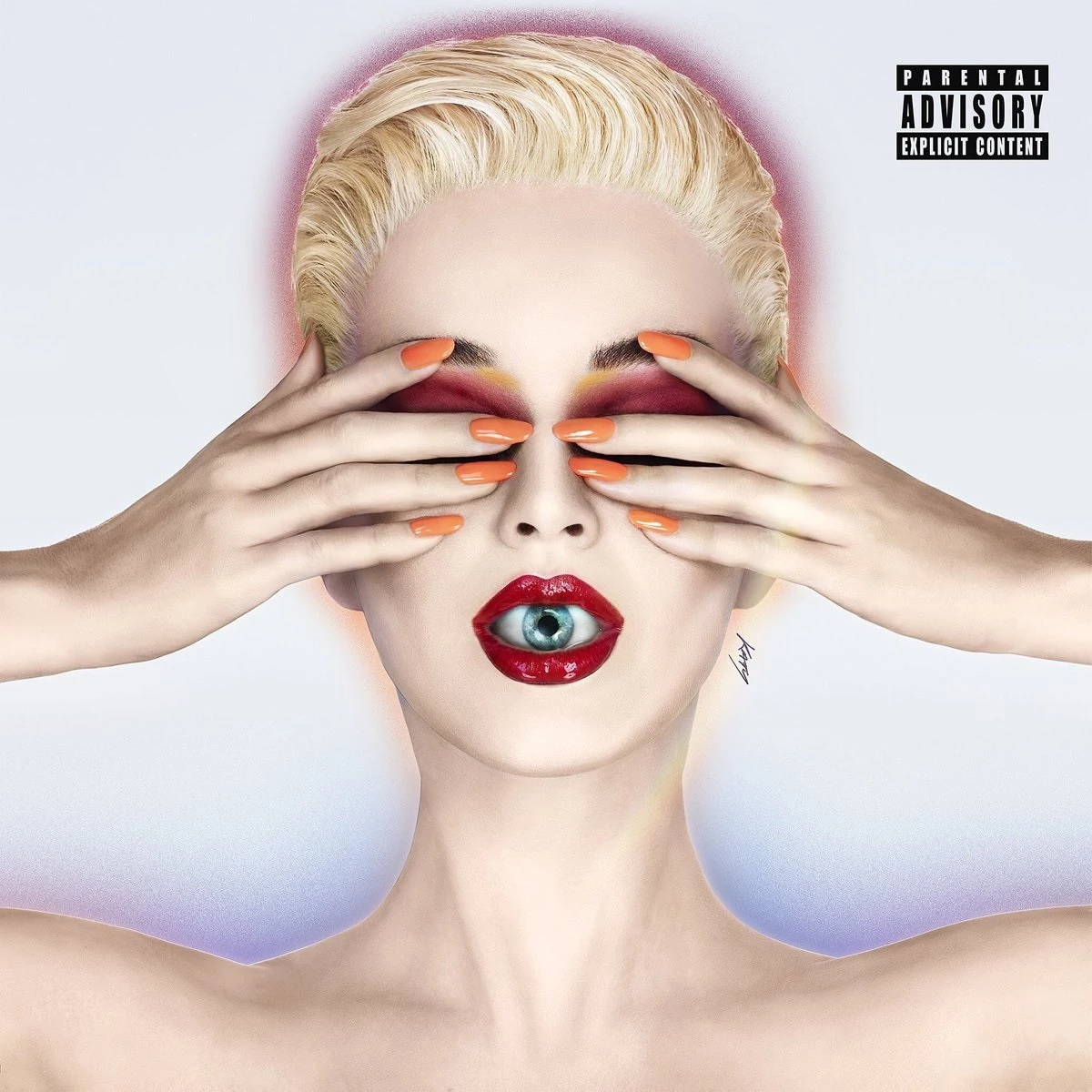
Don't let the striking, avant-garde cover art fool you; "Witness" represents nothing radical among the trappings of mainstream pop. Whatever profound insights that Perry gleaned from her work on the campaign trail are buried by simply rehashing the same musical trends that are suffocating Top 40 as we know it. There's a fine line between catchy and carbon-copy, but nothing here is even remotely contagious.

Along with lead single "Chained To The Rhythm," songs like "Power" and "Hey Hey Hey" are well-intentioned anthems that urge wake-up calls. Unfortunately, as with the majority of the album's tracks, their impact gets lost among heavily processed vocals that scrub what's left of the personality right out of her voice. Add unmemorable sing-songy arrangements and inconsistent genre choices, and you get an auditory recipe for disaster. "Witness" attempts to span a spectrum of styles, but by trying to be a jane of all trades, Perry is a mistress of none.

Bigger isn't always better, and though it may be too much to ask from the queen of the whipped cream-launching bra, subtlety would be welcome. "Bon Appetit" is borderline embarrassing with its clumsy sex-as-food metaphors as well as lyrics so amateurish that I can't even bring myself to include an example. "Save As Draft" awkwardly inserts technological slang into an otherwise earnest ballad, while "Tsunami" shamelessly recycles overused oceanic wordplay. Even the title track isn't about Perry as a messenger of change, but rather her search for one to help complete herself -- fundamentally undermining the feminist label that she has previously aspired to achieve. With very little to save the album from itself, each of the 15 songs are locked in a tie for last place.

My primary concern with "Witness" (and Perry's career trajectory in general) is that she doesn't know what she wants to do. Is she pop ("Roulette")? R&B ("Pendulum")? Adult contemporary ("Miss You More")? Electronic ("Deja Vu")? Or even gospel ("Bigger Than Me")? Plenty of albums have been musically diverse, but without an individualized core statement to anchor it, this particular collection drifts aimlessly. It's an identity crisis that endangers any hope of her being taken more seriously than just another commercial success story. By actually lowering herself to include the diss track "Swish Swish" (her latest volley in a petty feud with fellow unremarkable siren Taylor Swift), Perry proves she's no better than her contemporaries. 

This misstep wouldn't be such a disappointment if it weren't coming from the same singer who, once upon a time, inspired so many people to "Roar." On "Witness," the best that Perry can hope for is an unenthusiastic hiss. Better luck next time, Katy!

Monday, October 24, 2016

A Gaga By Any Other Name Sings As Sweet

When Lady Gaga announces a new project, you never know what form it will take. On "Joanne" (which takes its title from her late aunt as well as her own middle name), Gaga gives us something that we haven't seen much of during her fascinating career: restraint.

She isn't the dance-party alien who invaded the industry with her 2008 debut "The Fame," or the multifaceted goddess who sought to remake pop music in her image with her 2011 opus "Born This Way," or even the savvy chanteuse who covered jazz standards with the inimitable Tony Bennett on her 2014 throwback "Cheek To Cheek." Gone are the outfits and the gimmicks, not that she ever needed them given her talent. Instead, this new album is a reminder that Gaga is a mere mortal, blessed with powerful gifts that she's ready to share. In a year when female pop stars got deeply personal through their music -- notably Gwen Stefani or Beyoncé examining their identities amid marital strife -- Gaga may be the latest to embrace such a trend, but she keeps it fresh and focused on her many strengths as an artist.

First and foremost, Gaga has always been fearless when it comes to exploring new sounds. By adding the introspective backdrop that influences much of this album, she finds a new ingredient in the secret of her success. Most of the tracks on "Joanne" are only around three minutes each, removing the trappings of indulgent or repetitive production values and prioritizing the impact of the songs. Opener "Diamond Heart" and lead single "Perfect Illusion" are perhaps the most reminiscent of Gaga as we've known her, bending and blending retro rock with digital effects and soaring vocals. "A-Yo" and "John Wayne" are fun, saucy romps into country-music territory that wouldn't have been out of place in the heyday of Shania Twain's crossover.

It isn't a nonstop party, though. The album takes time to breathe and flourish in the spaces between its more raucous moments. Songs like "Million Reasons," "Grigio Girls," and the title track are heartfelt, vulnerable evidence of how Gaga can modulate her powerhouse vocals to wrap comfortably around any style or tempo. Here more than ever, she tells lyrical stories that pay honest tribute to formative life experiences.

Accompanying her on the journey are a host of stellar collaborators who help her push the boundaries of genre even further than her previous work. Fellow musical chameleon Beck served as a producer on "Dancin' In Circles," a sultry ode to... ahem, alone time. Indie crooner Father John Misty co-wrote the folky, thought-provoking "Sinner's Prayer," while Florence Welch -- the voice behind Florence + The Machine -- joins Gaga on the R&B-tinged duet "Hey Girl." It's not the Ryan Gosling meme set to music (though that would be delightful), but rather an earnest call for female empowerment through camaraderie and mutual support.

Gaga's sense of duty to her listeners and the world at large continues in "Come To Mama," a vintage, horn-driven ballad that questions the future of our society if we keep tearing each other down just for being different. Its poignant and inclusive simplicity echoes her previous equality anthem "Born This Way," reframing its message for the times that we (yes, still) live in. She really drives those points home on "Angel Down," a searing political wake-up call about gun violence that unapologetically asks where our leaders and our individual courage to do the right thing have gone. The song proves to be even more potent as its raw, stripped-down work tape version closes the album, showing that Gaga isn't afraid to conclude with an urgent, realistic plea as opposed to a grandiose, celebratory sendoff.

While they famously don't care for the comparisons, Gaga is just as adept at evolution and reinvention as Madonna, with both making progressive statements accessible through their innovative music. This latest album is a mid-career highlight for Gaga, on par with Madonna's underrated 2003 collection "American Life" given their shared mix of energy and emotion. "Joanne" provides another satisfying pastiche that effortlessly convinces us of Gaga's aptitude for tackling challenges. She'll gladly sing the hell out of anything, as long as we can keep up with her ambition.

Monday, August 29, 2016

Britney Returns In All Of Her "Glory"

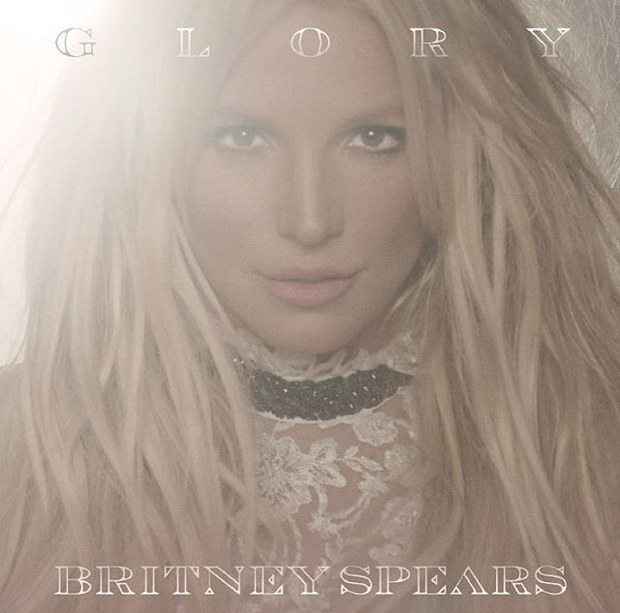
Even as a fan, I was skeptical at first. Britney Spears was releasing her first album since 2013 -- undoubtedly pushed back thanks to her dazzling, wildly successful Vegas residency show "Piece Of Me" -- and she was calling it... "Glory"? It's certainly an odd choice for a pop album title. (My first thought: is she going gospel?) But after pressing play only once, and again with each subsequent listen, the name is more than fitting. This ambitious collection of songs revels in the many sides of Spears at a creative peak. Not since her 2003 career-best "In The Zone" has her music been this eclectic and experimental.

"Glory" has moments on nearly every track where my jaw practically dropped at the maturity and confidence of the production values, almost forgetting that it was a mainstream Spears effort. The rich, electronic auras of opener "Invitation" and "Just Luv Me" lend an ambient, ethereal flow to a performer better known for high-energy danceability. The silky prowess of lead single "Make Me" shows Spears as an artist who embraces her sensuality as a sensible adult woman, rather than her former days as a teenage marketing gimmick. The brazenly frothy hooks of "Private Show" and the flirty disco variations of "Do You Wanna Come Over?" are familiar territory that quickly become uncharted with clever vocal arrangements and instrumental twists.

Elsewhere, globe-trotting textures abound; reggae vibes ("Slumber Party"), Middle Eastern flair ("Better"), and Latin infusions ("Change Your Mind") are daring yet solid maneuvers that give her sonic palate a much-needed boost in diversity. Even closing track "Coupure Electrique" (roughly translated, "Blackout") is a haunting, Goldfrapp-esque indulgence...sung entirely in French, no less! Yes, this is still the same album. Spears has clearly one-upped and outdone herself. The sky's the limit now for what she could possibly try next. I've been saying for years that she should take a cue from Madonna's 1995 set "Something To Remember" and put out a whole album of ballads. Unlike her earlier work, the slower, more contemplative songs here fall short, as evidenced by the icy paranoia of "Just Like Me" and the desperate longing of "Man On The Moon." However, this brief lapse represents an opportunity for Spears to take back the wheel and steer toward the rest of those strengths in the future.

Meanwhile, runner-up favorite "Clumsy" glides through a full spectrum of tunes in a few short minutes. A deceptively simple, wickedly catchy hand-clap beat suddenly gives way to a hypnotic chanting chorus underscored with syncopated sizzle, all set in motion by a playful exclamation of (what else?) "oops." By far, though, the most impressive song is "What You Need," a brassy, fiery throwback that nods heartily to the burlesque sirens of yesteryear. Spears delivers a gutsy and glamorous big-band ditty that, miraculously, doesn't feel out of place amid the many other varied styles on display.

Just the strategically placed F-bombs alone during two pivotal tracks would have been enough to deepen my appreciation of her legacy in the industry. Nine albums in, Spears has finally joined the club of pop stars (like Pink, Christina Aguilera, Rihanna, and Beyoncé before her) who respect that their fans have grown up right along with them. These artists are comfortable enough to speak (or sing) their minds without fear of reprisal or censorship for their honest language.

Spears is indisputably a pop-culture icon to listeners from my generation, but her relevance to the current crop of millennial consumers is under fire. With "Glory," she has taken time to sincerely craft an album that awakens her potential to reach a new, wider audience. By periodically igniting her own sense of innovation, she can easily defeat the apathy of expectations -- with the power to not only challenge herself but also surprise even her most loyal followers.

Monday, June 13, 2016

Garbage Reaches New Heights On "Birds"

Garbage has always been somewhat of an anomaly in the music industry, so it's only fitting that their new album is called "Strange Little Birds." Lifted from a lyric in their latest collection, this title serves as both imagery and metaphor. Here is a band that has always owned their otherness and hopes that you'll join them by doing the same.

When they first broke onto the scene 21 years ago -- time flies when you're making good music! -- Garbage defined themselves with a smart, sultry, female-led perspective that alternative music at the time was lacking. Well... that perspective was around, but its poster girl was less of a genuine rocker and more of an off-her-rocker joke (*cough, Courtney Love, cough cough*). Shirley Manson, Garbage's frontwoman, operates stealthily under the radar by exuding confidence without arrogance and sex appeal without compromised integrity. Any breaks the band took over their many years together were always issues with creativity and scheduling, versus the in-fighting and scandal that plagued other successful rock acts of the day.

Two decades into their career with no signs of stopping, this background clearly informs the risks and rewards that Garbage earns with "Birds." It's only their sixth album, but it's one that feels right in line with the atmosphere of their previous works: glossy yet brooding, catchy yet incisive. "Birds" delivers on all fronts, managing to feel both very grand (half the tracks approach or surpass the 5-minute mark) and very intimate, with Manson's voice and lyrics as cutting as ever. A sinister piano prelude prefaces the album on opening track "Sometimes," a deceptively minimal song whose skittish electronic backing is simpler and less noticeable than many of the band's arrangements, while the words sneak up on you in pure Garbage fashion. That reminder continues with the polished kick of "Empty," a lead radio single that has the most in common with earlier Garbage hits, but it still strikes a unique chord of its own thanks to Manson's resonant vocals during the chorus. Over the course of her career and notably on this album, it's a rare singer indeed who can alternate between her higher and lower registers and between menacing whispers and powerful declarations -- even within the same track -- and still hold you captive in her thrall.

Elsewhere, homages to the band's earlier sounds are plentiful but original. "Blackout" is a gritty throwback to the darker crunch of their 1995 self-titled debut and its 1998 follow-up "Version 2.0," while "Magnetized" triumphantly reclaims the poppier infusions found on 2001's "Beautiful Garbage" and 2005's "Bleed Like Me." Even with all of this time-hopping, Garbage has never relied on recording studio magic -- they sound exactly the same, if not better, when playing live! Their nostalgic meditations here are just as welcome now as they were the first time around.

That's not to say this album is derivative by any means. "If I Lost You" is a lo-fi exploration of desire and insecurity that borders on the surreal with its layered vocals and trippy digital hiccups. "Night Drive Loneliness" is exactly what its title suggests -- evoking haunting feelings of disappointment in others and oneself with a descending piano motif -- and it's among the highlights of the album's already solid tracklist. Manson is desperate to "understand why we kill the things we love" on "Even Though Our Love Is Doomed," one of the closest things Garbage has ever given us to a more traditional, against-all-odds love song... albeit with their signature downbeat snark. That track's shivery orchestrations effectively build to a more amplified finale. If you're looking for a statement of purpose, for the album or for Garbage itself, look no further than "So We Can Stay Alive." Every moment of the song feels awake and alert -- embracing the band's past and future -- with heavy fire from the drums and guitars coupled with Manson's urgent, insistent lyrics, unquestionably proving their deep alternative roots.

Penultimate track "Teaching Little Fingers To Play" is an unexpectedly tender dissection of childhood dreams versus adulthood's harsh realities, which makes perfect sense in the band's big picture. As Manson laments and comes to terms with the fact that "there's no one around to fix me now," you can't help but think of the youthful demands from a certain track on their very first album... called (what else?) "Fix Me Now." While it may or may not be a deliberate callback showing their growth and maturity in the years since then, as artists and as people, now I have to wonder how many other details on this album are meant to connect the stages of their career. At face value, it's an impressive effort from a reliable band. But when you look a little closer, it's obvious that Manson and Garbage have been "Strange Little Birds" all along, working their way toward this revelatory moment in music. Suddenly, strange isn't such a bad thing after all.

Monday, May 23, 2016

"Moon" Waxes And Wanes Poetically

Radiohead, alternative rock's iconic chameleons, have done it again. "A Moon Shaped Pool," their ninth studio album, is a case study in the unpredictability of life and the inevitability of its many changes. To herald the album's impending release, the band erased their entire digital past from the Internet, making a commercial statement as well as a symbolic one. It was less about a marketing ploy -- though the buzz in its aftermath was certainly warranted -- and more about hitting the refresh button on their vision and their career.

It's tricky to rank or compare the sum of "A Moon Shaped Pool" to any of Radiohead's previous music. "Pool" isn't as rock-forward as their early albums or as symphonic as their middle work, but it splits the difference beautifully. Without question, these songs are compelling, but they don't break new ground or change the game like many of the band's past releases. Admittedly, the scale of objectivity might be tipped; the Radiohead of the '90s isn't quite the same as the Radiohead of the '00s or the current decade. Yet somehow, every song on every album unmistakably reflects their style and sound, and this collection is no exception. It's truly a sign of successful experimentation and evolution that the band's artistic core has remained so remarkably intact over the years.

Still, even above-average Radiohead is better than most bands at their best, so "Pool" rightfully earns its place in their discography as an illuminating step sideways rather than forward. Recurring themes of uncertainty, disillusionment, heartbreak, paranoia, and misplaced passion converge to form an accessibly angsty existential crisis that only a Radiohead album can deliver. When regrouping in the wake of personal struggles, starting over isn't a one-step process, and many of these new tracks feel like the resonant echo of lead singer/songwriter Thom Yorke's inner monologue as he weighs which path to follow. Across the album, Yorke's inimitable vocals wring the meaning out of every lyric, rewarding us with haunting interpretations of common sentiments. While I was initially surprised that the band chose not to include their rejected Bond theme for "Spectre" (a great Radiohead song that just didn't fit the franchise), it would have disturbed the natural flow of the album.

This atmosphere is ultimately sustained by the way that several tracks seemingly blur from one into the next. "Daydreaming" is a sweeping, almost disorienting ballad that's the auditory equivalent of its namesake, while "Decks Dark" and "Identikit" feature lush choral backing and fuzzy instrumental distortions that manage to be both magical and melancholy. Such combinations are no easy feat, but Radiohead continues to spin fresh variations on those motifs. Even on the edgier tracks, the band knows just which triggers to pull. "Burn The Witch" patiently builds its raw nerves into a delirious crescendo, and "Present Tense" has a vivid urgency and immediacy befitting its title, thanks to Yorke's lulling words and the spiraling melodies. "Tense" also supplies us with one of the album's most startlingly frank lyrics -- "It's no one's business but mine that all this love could be in vain" -- followed by refrains of "In you, I'm lost." It's a one-of-a-kind feeling that listeners could easily direct toward the band as yet another of their riveting musical journeys carries us away.

Just as "Pool" looks inward lyrically, it also does so musically by revisiting older flourishes. "Ful Stop" (yes, with only one L) is a mesmerizing track in its own right that proves the band's ongoing knack for uniquely stylized song titles. "The Numbers" even shares a few elements with the band's contribution "Talk Show Host" from the 1996 "Romeo + Juliet" soundtrack (it's hard to believe that was 20 years ago!) The songs' guitar licks and chord progressions are eerily similar, but "Numbers" builds nicely on itself with swelling string orchestrations before the parallels become too blatantly obvious. Closing track "True Love Waits," a staple of the band's live performances for years, is finally cemented here as a proper album cut. It's a lot different than how you're probably used to hearing it; this bare-bones arrangement is just Yorke and a piano, but it's no less affecting.

The inclusion of "True" also acts as a perfect bridge to span the band's multiple eras, proving their longevity as well as their fluidity. There are many things to listen for in "A Moon Shaped Pool" -- in fact, it takes a few listens to fully absorb all of its intricacies -- but as always, there is only one Radiohead.

Monday, May 2, 2016

Life's Lemons Make Impressive Music

Surprise! Beyoncé dropped an album last week. Well, it wasn't a total shock (it was teased for weeks, unlike her 2013 self-titled release that appeared out of thin air) -- but the real surprise lies in the power and sheer artistry of the album itself.

"Lemonade" finds Beyoncé delivering a near-perfect album that deals with life's imperfections and shares her journey to understanding and overcoming them. Critics are quick to try to label it, but it's not just a "black" album or a "woman" album or simply a relationship-drama album. "Lemonade" is important music for everyone, shared through the filters of how Beyoncé explores her various levels of identity: her race and gender, her sexuality and spirituality, her marital versus maternal instincts, and her political and professional statements.

Hell hath no fury like a woman scorned, but Beyoncé isn't just any woman. She'll pray for you to confess, but she's ready to fight if she has to. On the tongue-in-cheek "Sorry," she doesn't play the blame game, making her subsequent sound and fury signify many different things. The album's unpredictability is irresistible; ever-growing as an artist, Beyoncé eagerly experiments (and succeeds) with unique vocalizations and musical styles that never feel forced or betray the album's meticulously crafted vision.

"Hold Up" gives us tongue-twisting lyrics and trilling, staccato notes, while perky, plucky strings underscore her musings about whether it's worse to be jealous or crazy. "Don't Hurt Yourself," a stellar if unexpected collaboration with Jack White, doesn't just fuse R&B with rock -- they collide with enough force to propel her words into the stratosphere. "6 Inch," featuring The Weeknd, is sultry musical noir at its finest, right down to its strained, plaintive whispers of "come back..." "Daddy Lessons" basks in country and jazz influences, while "Sandcastles" is a simple, stripped-down piano number that's the beating heart behind the album's pain and struggle. When Beyoncé's voice goes ragged and cracks near the song's middle, it's a defining moment for a singer of such caliber to be so transparently human. "All Night" has a soaring, affirming chorus that could melt even the most jaded cynic, and I dare you not to get goosebumps during the stirring anthem "Freedom." You can't help it, because this album moves the body as well as the soul.

To watch the film that accompanies "Lemonade" is to experience the album on a masterfully elevated plane. Eloquent, voice-over interludes of Beyoncé reading the feminist poetry of Warsan Shire are matched with luminous visuals that illustrate those words as well as the songs. Combining black-and-white and color footage, we also get some truly avant-grade cinematography. (Let's talk about that stunning underwater bedroom segment!) In the ultimate chicken-egg scenario, it's hard to discern which came first: the music, the lyrics, the imagery, or the poetry. They all work in tandem so astonishingly that the film demands repeat viewings just to absorb all of its striking parallels.

It's increasingly rare to hear an album where the songs work on their own but also tell a complete story when listened to in order. It's easy to call "Lemonade" a concept album, but it's clearly an album with a message and a purpose, and closing track "Formation" is its call to action. I've never really been on board with calling Beyoncé "Queen B" like the rest of her fans, but "Lemonade" has compelled me to recognize royalty when I hear it.

Monday, March 21, 2016

This Brand Of "Truth" Is Easy To Hear

From her early days as front woman of No Doubt to her status as a household name after going solo, Gwen Stefani has built her career on unique genre-hopping without ever compromising the honesty of her message. "This Is What The Truth Feels Like" -- her first solo album since 2006's "The Sweet Escape" and No Doubt's 2012 comeback effort "Push And Shove" -- was inspired by the end of her longtime marriage. This album is what artistic and emotional truth sound like when they're set to music; not since Madonna's 1989 song "Till Death Do Us Part" have I heard such deceptively cheerful tunes about the dissolution of love. There's nothing wrong with wallowing in the depths of a sad or angry break-up album, but Stefani wisely and cleverly opts for upbeat songs that express heartbreak and embrace starting over to make them just as relatable... if not more so through their empowerment.

Opening track "Misery" and closing track "Rare" bookend the throwback sounds of the album by twirling with buoyant synth-pop that would have felt right at home in the late '80s. "Where Would I Be?" has an unusual but catchy fusion of reggae and disco, while current single "Make Me Like You" gloriously recaptures the vintage, New Wave roller-rink anthems that clearly influenced Stefani's youthful musical development. Her worlds of style and substance collide on "Red Flag," a boisterous, in-your-face track that smoothly alternates between Stefani's airy reflections and her throaty demands for transparency. "Naughty" is especially notable for unearthing the ska/swing swagger and vibrato that defined her early sound, which hasn't really been heard since the retro redux of "Bathwater" from No Doubt's 2000 album "Return Of Saturn." Each of these new tracks has a genuine undercurrent that grounds the pop-music sensibilities in real emotion, rather than simply existing as fluffy album filler between the radio singles.

Ironically, lead single "Used To Love You" is the least impactful track on the album; in addition to sounding the most like her previous solo work, it's also the one song that's too on-point and lyrically obvious. This album earns its stripes when Stefani's words are deliberately veiled to put these common experiences into thoughts that we hadn't considered describing that way before. The double meaning of "Asking 4 It" finds Stefani confronting a suitor with her baggage by making sure he knows that what he's asking for is more than just the surface. Meanwhile, much of "Me Without You" is equally a play on words about not having someone else versus being true to yourself, sublimating tired complaints with her trademark confidence.

"This Is What The Truth Feels Like" exists because Stefani scrapped the long-delayed album she was working on before her divorce, openly admitting that the songs didn't feel authentic enough about where she was in her life. Whether or not those other tracks will ever see the light of day remains to be seen, but for now, Stefani should feel proud that she placed integrity before the industry.

Monday, February 8, 2016

Rihanna Ups The "Anti" With A Bold Album

Rihanna's first 7 albums were released over 7 consecutive years, so imagine the surprise and anticipation when more than 3 years (an eternity by industry standards) passed after 2012's "Unapologetic." Thankfully, the break gave Rihanna a chance to explore her own musical style and incorporate some strong influences. The resulting album, "ANTI," is drastically different than what we've come to expect from a pop star of this magnitude, and that's definitely a compliment.

"ANTI" takes everything that's unmistakably Rihanna and strips it to her pure, raw essence with edgy vocals and moody instrumentation. Lead single "Work" and bonus track "Pose" are the most reminiscent of her previous records, but the ride doesn't stop there. Standout songs include the swirling, almost psychedelic guitar riffs of "Kiss It Better" and the one-two punch of "Love On The Brain" and "Higher," where Rihanna sings with a bluesy, soulful range that is thrillingly unexpected and genuinely effective.

Rihanna has dabbled with introspection on past tracks like "Russian Roulette" and "California King Bed," but the entirety of this album finds her embracing the liberation of transparency and meeting resistance with potent lyrical firepower. While there's nothing wrong with her crowd-moving, dance-inducing earlier works, "ANTI" resonates considerably more because it reflects Rihanna's courage to focus on the music and the voice behind the pop.

Monday, November 23, 2015

What Would Janet Do?

Whatever happened to the girl who assumed control of her life and her career? The one who united all of us as one nation under rhythm and who taught us how love goes? After a lengthy hiatus, it's official: Janet Jackson is back.

As a longtime fan, I'm confident enough to concede that Jackson's last great album from start to finish was 1997's deep confessional jam "The Velvet Rope." Her last good album was 2001's free-spirited and eclectic "All For You," and her last above-average album was 2004's post-Super Bowl mea culpa "Damita Jo." Since then, 2006's "20 Y.O." and 2008's "Discipline" both had a few standout cuts, but after the artistic triumph of "Velvet," the ratio of foundation-to-filler on each subsequent album has gradually reversed. Critics are eager to point to her infamous halftime show as the tipping point between "good Janet" and "bad Janet," but that is hardly accurate or fair. Jackson's musical output of late was perhaps hardest-hit by shifting trends in the recording industry.

While Jackson has always owned her sexuality and rightfully empowered others to do the same, it started (intentionally or not) taking center stage in her lyrics. Her music became less about saying something meaningful and more about copying what others were already saying -- alas, not without awkwardness. Consider her 2008 single "Feedback": there is actually a lyric that says, "My swag is serious/Heavy like a first-day period." Such a declaration is beyond ridiculous to type out let alone sing aloud, but perhaps most offensive is that it's so far beneath her usual manner of coy, come-hither lines that used to entice body AND brain. While we don't have to regress all the way back to the innocence of classics like "Let's Wait Awhile" and "Come Back To Me," at least that initial longing matured nicely into sultry hits like "You Want This" and "I Get Lonely" before derailing into that land of TMI somewhere along the way.

Adding to a recipe that was approaching disaster was her (and everyone else's) increased use of processed vocals. As if we needed any reminders that Janet is from a famous music family, more than a few tracks went as far as making her sound a little too much like Michael for anyone's liking. Even worse was the inclusion of obligatory rap segments from guest artists, which are fine as long as they add a new layer or unique dimension to the song. Many of these attempts featured bigger names like Kanye West, Khia, and Nelly, but they failed to mesh with Jackson's genre-hopping and also pulled focus away from her -- simply because a lot of the popular singles at the time were using that formula. For a moment or two, such phoned-in methods may have caused her pop-royalty crown to slip. A recent analysis in "Flavorwire" brilliantly summarized how Jackson's late-'80s/early-'90s heyday involved her setting the trends instead of following them. While my own take on her recent efforts suggests that she's guilty of the latter, allow me to make a case for her exoneration.

As her first album in seven years, "Unbreakable" is simultaneously Jackson's return to form and a mission statement about her legacy as a pop icon. Clearly, the downtime has been good for her to refresh and focus. Right away, it's difficult not to be struck by the regal, majestic air of the cover art, which is a welcome thematic statement when compared to the scantily-clad (a.k.a. been-there, done-that) nature of her previous four albums' artwork. There's a good mix of styles represented among the album's 17 songs: the gentle inspiration of the title track, the trip-hop tinge of "Damn Baby," and even the classic-rock flourishes of "Well Traveled." In her grand tradition of releasing albums with higher track counts (often increased by a handful of spoken word interludes), Jackson more than gives us our money's worth with 16 new songs and only one interlude -- in contrast with today's average album length of 10 to 12 songs.

Unlike her more scattered collections, everything on "Unbreakable" adheres to its central messages of strength, resilience, and progress -- even when it's telling you the best thing you can do for yourself is let down your guard and have a little fun. "Burnitup," her dynamite collaboration with fellow R&B superstar Missy Elliott, is the most uptempo of these songs to capture that positive spirit. Though Elliott and the album's other contributor J. Cole could be classified under my earlier claim of obligatory guest-spots, they succeed in finding a more natural fit within their respective songs and the overall vibe of the album. More than anything, I'm just glad to hear Jackson's voice again. Her own voice, not distorted or auto-tuned on every track, is actually allowed to breathe and flourish. As light as her vocals can be, she does sound more confident -- especially given the industry's current make-or-break demand for vocal prowess that separates the wheat of Adele and Gaga from the chaff of countless imitators-in-waiting.

"Unbreakable" succeeds in large part because its strings are invisible. Yes, it has a lot in common with Jackson's mid-career highlights, but it's not trying too hard or forcing itself to achieve those same degrees of relevance. Instead, the album simply exists as a record of what this absence from the spotlight has taught her and allows the listener to sit back and experience its wisdom. Songs like the lilting "Shoulda Known Better" may seem too straightforward or even lackluster on the surface, but it comes down to what they mean to Jackson and why she chose to record and include them. It's worth mentioning that this is Janet's first album since Michael's passing, and the lessons from that loss echo through the album's several contemplative ballads. Ultimately, "Unbreakable" is a powerful tool to reconnect with her fans and explore her inner self in a truly transparent way. Jackson is one of the few remaining pop stars who has resisted manufacturing her image. Cultural descendants like Beyonce and Rihanna don't always delve as deeply into discussions about race, gender, sexuality, politics, or personal identity through their own music. However, they will be forever indebted to Jackson's uncanny ability to take even the most controversial topics and make them both palatable and danceable at the same time.

Jackson herself has admitted that part of her time away was spent evaluating the future of her career and her role in the music industry. As far as I'm concerned, she will always have a place in pop culture... as long as she continues to play her cards right and responsibly wields her ongoing influence.

Thursday, October 29, 2015

Lana Del Rey Invites Us On Her "Honeymoon"

Lana Del Rey is not from around here. And yes, that's a very good thing.

Del Rey (a.k.a. Elizabeth Woolridge Grant) looks, sings, and carries herself like she's from another time and place -- probably the 1960s or '70s, probably somewhere in Southern California. She's not afraid to sulk, swear, and be sexy, and her beautifully orchestrated anachronisms make the postmodern contrasts of her music that much more powerful.

One could look at Del Rey's albums as phases of a relationship, either with another person or with her music itself. 2012's "Born To Die," along with its follow-up EP "Paradise" from later that same year, are the wild, unpredictable period of discovery when you fervently hope that you're not facing a one-trick pony. 2014's "Ultraviolence" is the more serious, deliberate acquainting that gradually occurs as you realize that this is, in fact, the real deal.

"Honeymoon," released in September, could signify one of two interpretations. The honeymoon phase could be happening, and you're basking in the glow of contentment, or the honeymoon could be over and you're facing a lifetime with these qualities, for better or for worse. Not inclined to settle for one answer, Del Rey offers music that could go either way, often within the same song. One thing's for sure, though: you had better be committed to listening or you'll miss out on an unparalleled journey.

As soon as the cover art, before the first notes of the album are even played, Del Rey evokes that far-off place and time -- an oasis amid the turbulence of today's music industry. The opening (and title) track utilizes effects that sound so genuinely retro (vocal layering, swooning melodies) that it could very well break the space-time continuum. Much of the album mirrors the wondrous, introspective heights of Kate Bush: a comparison that I don't make freely or easily, so it serves as one of my highest possible compliments to Del Rey's level of artistry. On "Honeymoon," she accomplishes more vocally and lyrically than musically. If you're looking for the Lana who has given us the eclectic caliber of past songs like the kinetic flow of "Off To The Races" and the lo-fi cadence of "West Coast," you may be reluctant to embrace another side of her. Still, the album remains thought-provoking and appropriately moody.

"Terrence Loves You" is an unusual choice for a radio single, but it soars as a contemplative ballad ideally suited for this autumnal season of change. The chill in the air is doubled by the chill of her isolation. Meanwhile, the more pop-friendly single "High By The Beach" is equal parts class and sass. The track is the perfect kiss-off; honestly, who among us has never wanted to tell someone, "You could be a bad motherfucker, but that don't make you a man"? Del Rey nails the explicit sentiment without ever feeling gimmicky -- or worse, appealing to the lowest-common denominator.

"Honeymoon" does briefly threaten to float away during some of its languid middle tracks; it's almost as if Del Rey has deliberately constructed music that forces you to listen beyond its surface and rewards you for absorbing the spot-on lyrics. Thankfully, the album finishes strong with tracks like "Salvatore," simmering and sizzling with an international flair that expands her already diverse musical palate, and "The Blackest Day," quintessential Del Rey that flirts with variable notions of yearning without succumbing to desperation.

Del Rey closes the album with a cover of Nina Simone's classic "Don't Let Me Be Misunderstood," which is pretty gutsy for anyone to attempt given its legendary status and Simone's incomparable spirit. Del Rey is smart to not try imitating Simone's style, instead choosing to find and interpret new feeling and meaning in the ache of the lyrics. The true sign of a good cover is its ability to respect the original while still bringing something new to the table, and Del Rey succeeds in spades.

For someone of her age (only 30 years old) and with relatively short career experience, Del Rey is in full possession of the distinctive, soulful longing of her voice -- even taking further ownership of her craft by writing or co-writing all of her material. She achieves what few artists today understand: how to fully embody the process from start to finish. Some of that may be artifice for the sake of staying on-brand; after all, her interviews and her concert interactions with fans show a different kind of sweetness and incredulity at all the fame and attention. Even her soundtrack songs from "The Great Gatsby," "Maleficent," and "Big Eyes," which in the hands of other artists could have been empty contributions, positively embolden those films. She knows how to find the truthful core of every song, even if it's not necessarily one of her own. If nothing else, it's proof that she's a genuine musical storyteller who can embrace these personas and their experiences, however autobiographical they may or may not be.

These images, of course, stir themselves into that timeless yet important pop-music debate, especially in the current generation of Taylor-baiting and Miley-twerking. Is Del Rey actually reveling in dated female stereotypes, or is she making her music sound like a bygone era before putting her own ironic spin on the lyrics? Feminist critics have been quick to point out that her lyrics suggest too much dependence on men for affection and validation, even bordering on obsessive and/or possessive traits. However, sometimes the strongest thing that a woman (or any person in general) can do is be honest about their feelings. They're not always the feelings that we should or shouldn't have, and it's an act of bravery to set such deep thoughts to music. It's not a woman thing -- it's a human thing -- and Del Rey transcends mere gender politics to speak to each of us on a very primal, personal level.

To borrow a title from one of her new songs, "God Knows I Tried" is a fitting example of just how self-aware Del Rey can be about her life, her art, and her messages about both. She can rest assured that both God and listeners are taking notice, especially since she's probably one of the only contenders from the current crop of young artists to have a legitimate shot at an illustrious career. At the rate she's going, it won't be a question for much longer.

Thursday, September 3, 2015

Dave Matthews Band: My Musical Time Machine

The only thing more refreshing than a pleasant, late-summer night in an outdoor venue when you're listening to one of your favorite bands play is when you can also hear the voices of thousands of fellow fans singing along.

This unique musical kinship is increasingly rare in today's pop-driven music machine, but last Saturday, it was alive and well in the second show of Dave Matthews Band's two-night stand at Fiddler's Green Amphitheater. The band provided countless reminders of why they're still relevant: nostalgia for the simpler days of youth, memories of previous times seeing them in concert, and perhaps most importantly, evidence of a band still in its prime by refusing to play the same show twice.

Few artists or bands have captivated me over the years in the same way that Dave has... that's right: we're on a first name basis! In the nearly 20 years that I've been listening to them (starting waaayyy back in junior high, thanks to my cousins), each new album has been closely correlated to my personal experiences at the time and become a living soundtrack of sorts. My copies of their first two albums, "Under The Table And Dreaming" (1994) and "Crash" (1996), were practically worn out by the time I hit high school in 1997. 1998's "Before These Crowded Streets" was released the summer between freshman and sophomore year -- a particularly tumultuous time since I was switching schools. 2001's "Everyday" underscored the final months -- both exciting and intimidating -- of my senior year. Through it all, the precision and inspiration of their lyrics and the energy of their music gave me a reliable constant on my stereo even as I grew up and the world around me changed.

This appreciation of Dave and the gang continued well after graduation and beyond. 2002's "Busted Stuff" had a more serious edge that matched the angst of my early college days, while the smaller-scale intimacy of 2003's "Some Devil" (a solo project from Dave) featured prominently as I grappled with issues both personal and academic. After taking a year off from school, 2005's "Stand Up" was released as I prepared to go back for my senior year. Even their more recent efforts, 2009's "Big Whiskey and the GrooGrux King" and 2012's "Away From The World," felt like they came to me at just the right times of change and opportunity. It's been said that scent is the strongest of the five senses in how it's tied to memory, but every so often, good music will come along that makes hearing a pretty strong trigger in its own right. Certain songs can take you back to an exact moment or association that you have with them, and -- at least for me -- Dave's music has consistently had that effect.

With all of this affection, I still can't believe that it's been so long since I've seen them perform! It all comes down to timing, I guess. My two previous Dave concerts were during back-to-back summers: visiting family in Philadelphia in 2000 and taking a miniature road trip to Boulder (I was living in Colorado Springs) in 2001. The Boulder show at the University of Colorado's Folsom Field was even recorded for a live album and concert film. My cheers are undoubtedly a needle in the haystack of sounds on the audio version, but I just HAVE to be on that DVD somewhere, right?! (Believe me, I've looked. The camera went by my section repeatedly. If anyone can actually spot me, I would be eternally grateful!)

Back in the present, Dave took the stage to thunderous cheers and applause, replying with a simple, soft-spoken "Hello. Happy middle of the weekend" before diving right into the music. The first several songs were primarily acoustic, and he was joined by his frequent collaborator Tim Reynolds on guitar. They also welcomed special guest Bela Fleck, renowned banjo and mandolin player, by joking that they would try to make room for him on the already crowded stage. After the acoustic warm-up, they gradually transitioned to their full electric sound, spanning a decent swath of their ample discography.

The selections were very diverse, but they tended to favor the band's first few albums by including several songs from each; unless I counted wrong, they didn't do anything from the two most recent albums. I normally don't cheat like this, but I looked up their set lists online from the three shows prior to mine (especially the first Denver show the night before). As luck would have it, I missed a few songs that I would have loved to hear. Then again, with 10 albums' worth of material -- their self-released indie debut plus eight studio albums as a band and Dave's solo album in the middle, not to mention a handful of cover songs and concert-only favorites -- it's always a gamble unless a tour is literally the same show every night. And who wants that?

Certainly not Dave Matthews Band. They have maintained the quality of their musicianship and the harmony of their collaborations. Despite replacing their saxophonist after the 2008 death of longtime sax player LeRoi Moore, the blend of their collective sound is as tight as ever. No one would be any the wiser if this shift weren't pointed out to them. DMB also spends large chunks of time on the road between albums. Given this reputation as a touring band, they like to play unique arrangements of songs and instrumental jam segments in a genuine effort to mix things up and keep the music fresh. Songs being played differently makes the element of surprise that much greater when you finally realize what they're doing, especially if it's a classic, and this show was no exception.

"Stay Or Leave," a sparse, haunting ballad (and personal favorite) from Dave's solo album, was elegantly fleshed out when played by the full band. Their iconic hit "Ants Marching" got some special treatment in the form of Dave singing scat over the introduction as well as violinist Boyd Tinsley putting his instrument through the paces to send off the song with new flourishes (and thankfully, no broken strings). The jazzy, sultry "Crush," already eight-plus minutes as recorded, was given an appropriately lively jam finale. The band also flowed nicely from "So Much To Say" into "Too Much," older Dave songs from the same album with just enough in common to be bridged together in a subtle yet effective way. I didn't realize it was happening until I found myself singing the lyrics of the latter.

Unlike other jam bands (ahem, Phish), Dave songs always have a beginning, middle, and end, whereas Phish songs feel like nothing but middle! Only during one song, "The Dreaming Tree," did the jams start to feel excessively Phish-like. There wasn't enough modulation or exploration in the music to warrant such an extension, and the song ended up clocking in at nearly 15 minutes. That's easily worth the longer versions of at least two other songs, but oh well. In the end, I can't really complain; Dave and the band more than sang for their supper, playing over two-and-a-half hours of music that was all solidly performed even when it got lengthy.

There was only one thing I would have liked to see more of: interaction with the crowd. Though his words are relatively few, Dave always seems pleasant and thanks the audience a lot, so at least he has good manners. When announcing that the band would return after a short break (something I don't recall happening in the past), Dave tripped over his words a little. "I can talk like this on stage because I'm a professional," he said, before adding, "Smooth..."

He also earned bonus points for the improvised jigs that he danced during those jams when the rest of the band is rocking out and he's standing by. While these moments were definitely memorable, the funniest situations of the night didn't involve the stage at all, but rather the drunk/high/both fans who were displaying their enthusiasm in various, increasingly awkward ways. I want to make SO many jokes at their expense (I do have a few really good ones), but it's just their way of expressing the same things that I feel about DMB and what they have meant to me.

When it comes to Dave, his band, and his music, looking back also means looking ahead. While there is no word yet about when a new album might arrive (not entirely surprising since Dave and company are known to take their time between recording sessions), I can't help but wonder where I'll be and what I'll be up to in my life. With plans on the horizon like grad school and a possible new career path, I could have a lot on my plate by the time those songs come to light. Until then, I'll patiently wait for the next chance to have another memory that links me to this deeply personal musical legacy.
Thursday, August 13, 2015

To Diva Or Not To Diva?

A lot has happened to Idina Menzel since the last time I saw her in concert. In 2011, she was still mostly known only among Broadway fans for a big ol' voice that augmented her starring roles in "Rent" with a Tony nomination and in "Wicked" with a Tony win. Word was getting around, however, that she could do more than just sing her head off. Menzel was previously featured in the Disney comedy "Enchanted," and when I saw her last show, she had just completed several guest appearances on the hit Fox series "Glee."

Now, four years later -- at the same venue, no less -- Menzel takes the stage as a bona fide, mainstream superstar. So what changed? It's thanks in large part to the monumental, global success of 2013's "Frozen" (an animated movie that you've undoubtedly heard about if you've spent any time around children recently). By voicing Queen Elsa and performing the film's award-winning anthem "Let It Go," Menzel is officially on the map and has become a hero to even more millions of fans worldwide. If that didn't make her a household name, the whole John Travolta thing probably did; thankfully, she had a sense of humor about it.

This humor serves Menzel well and makes her very accessible. She's the people's diva, if you will, unlike the standoffish behaviors of the old-guard grande dames like Streisand and LuPone. From the start of Tuesday night's concert at Red Rocks -- the latest stop on her world (yes, world) tour -- she possessed a genuinely appealing stage presence. After opening with the show-stopping "Defying Gravity" from "Wicked" (hard to sing at any point, let alone right at the beginning), she joked about her inability to sing as well at a higher altitude. Menzel described herself as too competitive to let something like altitude keep her down, so she would hold the notes for even longer if she had to. Though she did sound a bit winded during her first few numbers, she powered through and achieved her usual resonance as the night went on.

Her banter with the crowd kicked into high gear after admitting she likes saying she's from Denver, despite never living here, because she has a lot of family in the area ("more specifically Boulder... most specifically, Louisville"). Quirky moments like being surprised to see herself on the video monitor and having to move her own chair up and down the stage would seem awkward or even desperate from other entertainers, but Menzel pulled them off with self-deprecating flair.

Part of me was worried that this show would be a replica of the aforementioned 2011 Red Rocks concert, where she was backed by the Colorado Symphony Orchestra and guest-conducted by legendary composer Marvin Hamlisch. As great as that show was, this one would need to be different enough to indicate her ongoing growth as an artist. While there was some carryover in the selections (mainly the Broadway standards and her "Wicked" repertoire), this performance felt almost entirely new in light of her rapport with the audience and her endearingly unfiltered personality. She even let her hair down and swore very briefly -- advising small children in sparkly blue dresses (a.k.a. "Frozen"/Disney fans) to cover their ears occasionally -- but the mild profanity made her seem more down-to-earth and more legitimate as a live performer.

In addition to her Broadway pedigree, Menzel's set list offered up several surprises. A few of her original songs found their way into the show (from her solo albums "Still I Can't Be Still" and "I Stand"), and it was good to see another side of the multi-faceted singer. During her famous "Rent" duet, "Take Me Or Leave Me," she borrowed various members of the audience to fill the second voice, making the evening both interactive and unpredictable.

Perhaps most impressive were her unique choices for popular songs to cover. Although Menzel is known for a voice that could quite literally bring down the house, she demonstrated lovely restraint and lush vocal runs during her version of Joni Mitchell's "River." After telling a witty story about an upcoming medley's inception during her vocal interpretation class in college, she breathed new life into the classic Cole Porter tune "Love For Sale" by mixing it with The Police's "Roxanne." While this particular mash-up was in fact part of her 2011 set list, the added origin story and the motivation behind it made this rendition more engaging.

The true highlight of the show was an unplanned moment that allowed Menzel to shine both musically and personally. During her grand, stunning cover of Radiohead's "Creep" (complete with the original F-bombs), she was kneeling dramatically on the stage and hitting the big notes of the song's bridge when the wind blew right up her dress. While nothing delicate was actually seen beyond her upper thighs, a visibly flustered Menzel made several jokes at her own expense, assuring the crowd that she was indeed wearing underwear and laughing about her forthcoming infamy on YouTube. Undeterred, she and her band took the song back a few measures and finished it perfectly like nothing had happened. Her ability to laugh at herself is one of many winning attributes that sets her apart from the perfectionist demands of the industry, and she is a better entertainer because of it.

Near the end of the show (before closing with the earworm of "Let It Go," of course), Menzel took a few minutes to give a touching tribute to the late Jonathan Larson, the creator of "Rent." She thanked him for giving her a chance and ultimately giving her a career, and it was nice to see someone who has accomplished so much still be in touch with their roots and give credit where it's due. Menzel may be the people's diva, but she's still just a person as human as the rest of us.

In case you were worried that I hadn't gotten my fill of Menzel (which I probably never will), Denver theatergoers will be able to see her perform the lead role in "If/Then," a musical that was written with her in mind, when it launches its national tour here this fall. As a Denver Center subscriber, I was already thrilled that such a new production was part of the regular season package, but that thrill quickly turned ecstatic when it was later announced that she had been booked for those performances. You can expect to hear a lot more about Menzel and "If/Then" when she rolls through town again in October. And for the record: yes, Operation Meet Idina is already in motion!

Wednesday, July 22, 2015

Music x Art - Pretense = Jon Foreman

I first heard Jon Foreman's music in the late '90s, when he was the lead singer and songwriter in the band Switchfoot. His thoughtful lyrics and mellow rock sound were the right kind of up-tempo, inspiring tunes to soothe my late-high-school/early-college angst. In recent years, he has branched out into some truly ambitious territory as a solo artist. After releasing a series of four EPs between 2007 and 2008 that were each inspired by one of the seasons, his latest work is another four-EP collection with a grand scope and universal themes.

The project, collectively titled "The Wonderlands," encompasses 24 songs, one for each hour of the day. Each of the four albums will have six songs devoted to the titular window of time. "Sunlight" was released in May, and "Shadows" was just released last week. ("Darkness" is due in September, and "Dawn" follows in October.) On his website, Foreman invites us -- as listeners of music and as fellow humans -- to travel with him on this journey that we have all shared in our own ways. Each track was a collaboration with a different producer, so the amount of cohesion within each EP has been surprising and impressive. Even more impressive is Foreman's ability not to come off as self-aggrandizing or trying too hard; the behind-the-scenes effort in producing this caliber of project is obvious without being overbearing.

As the first album in the collection, "Sunlight" builds slowly, as if kicking off the daily routines that we all go through, before establishing itself as a fitting mission statement for the project's pending scale and status as an opus. It's not the kind of pop-rock whose insistent beats force you awake during your commute. Instead, "Sunlight" plays out with the ease of a well-paced morning after a good rest.

Foreman opens the first track, "Terminal," with a startling lyric: "The doctor says I'm dying." But fear not; his description of death here is a metaphor about the challenges and failures that await us when we allow ourselves to be "fatally flawed" by not approaching each day with the right attitudes. On "The Mountain," he faces figurative obstacles, but the song evokes the serene calm and peace after climbing and crossing an actual mountain when taking in the view from the top and the light from the other side.

As an ode to naturally-unfolding love with a swelling verse and a soaring chorus, "You Don't Know How Beautiful You Are" shows Foreman writing about tried-and-true topics with the precision of a veteran musician and without dipping into youthful cliches. The folksy charm and harmonica playing in "Caroline" are a slight departure musically but certainly not thematically. "Patron Saint of Rock and Roll" cleverly laments that such a saint doesn't exist while pointedly calling out the good ol' boys who would judge or deride Foreman's calling as a musician. Closing track "All Of God's Children," which seeks the best in others, drives home Foreman's inspirational side and reminds us that if nothing else, at least we all have music in common.

"Shadows," the more recent release, is definitely an album that reminds you of those relaxing activities when you start settling in for the evening -- leisurely but no less profound. This group of songs is the sonic equivalent of a nice dinner and conversation with friends, kicking back with a good book and a glass of wine, or curling up and lighting a fire (weather permitting, of course).

On "Ghost Machine," Foreman sings with a bluesy, soulful rasp that's absent from his other music, and it's a worthy experiment. Don't let the title of "My Coffin" fool you; it's a breezy, introspective tune that dovetails nicely into "Fake Your Own Death," a standout in an already solid set of songs. "Fake" touches on mortality in the wake of our sense of individual purpose in life, which clearly weighs on Foreman now that he's older. The ebb and flow of the music, punctuated by lonely horns and spare drum riffs, combines with echo effects to invigorate this bold, haunting track.

"Good For Me" poses hard questions about the people and things in our lives without being preachy, while "Your Love Is Enough" is closer in tone and message to his work with Switchfoot. Whether he's talking to another person or to God, "Enough" is a gentle, poignant reminder to keep it simple amid life's chaos. Foreman ends this EP with "Siren's Song," alluding to the mythic beings that are synonymous with distraction and temptation. The contrast of his rocker croon with the hushed backing vocals is an effective way to close the album. With this track, we are beckoned to look harder and listen closer -- both to what's going on in our own lives and to what he has up his sleeve next.

I'm curious to see how fully Foreman's vision will be realized by the time "Dawn" is released. As it stands, this single day that he is musically illustrating is a puzzle that's halfway finished. Its existing pieces fit together beautifully, while its remaining pieces are shaping up to become a one-of-a-kind masterwork. When all four of these albums are finally available, who's up for sitting down and having a consecutive listening party? (You probably can't see it, but I'm raising my hand emphatically. Pick me!) In actual time, only about two hours would pass, but Foreman's uncanny ability to convey so much with so little will keep his fans and the public listening for years to come.

Sunday, June 14, 2015

Go Big Data Or Go Home

The word of the day is "almost." I almost never go see an artist in concert if they only have one album to their name. The average length of an album these days is around 45 minutes, and a good concert (once the headliner takes the stage) should last at least 90 solid minutes. If I've done my math correctly, then I won't see an artist until they have at least two albums under their belt. In addition to a larger swath of material to play, they've also had more time to hone their craft as well as their stage presence.

When Big Data (a.k.a. Alan Wilkis and friends) played at The Gothic Theatre on Friday night, I'm glad that I made an exception to my one-album rule. "2.0" IS a good album, so I already had an idea of what to expect. Despite a shorter set list than I'm used to, Big Data proved themselves to be anything but a one-trick pony.

Opening act Inner Oceans took the stage at exactly 8:30, marking the event as perhaps the only rock concert in history to start on time. Their tactful use of synthesizers blurred the lines between the different decades that their music evokes. By effortlessly hopping between genres while still keeping their spirit intact, the resulting blend was sublime, subdued, and dreamlike. (Or is it dreamy? No, that refers to the Zoolander-approved frontman.) His smooth, mellow vocals kept the soaring reverb and distortion effects grounded. He also shared nice harmonies and palpable chemistry with the female co-vocalist. It's a good sign when the opener matches the tone of the headliner while holding their own and also making you want to know more about them and their music.

While it's pretty common to see open floor during a warm-up act, it's unusual to see that amount of space when a headliner starts playing, especially when said headliner has several singles in heavy rotation on multiple radio stations. It's even more noticeable in a smaller venue that is often filled with wall-to-wall people on slow nights. Big Data arrived on stage to a fairly minimal set-up -- two singers, a laptop and turntable, a drum set and two guitars -- but that didn't stop them from exponentially rocking the house despite the turnout.

It was a relief to see instruments and live vocals filling out their sound as opposed to an entire show of just Wilkis with headphones on and his head cocked to the side, repeatedly scratching and looping his way through the night. The sound crew wasn't always careful about the balance between vocals and instruments, leaving the tangible energy coming off the stage muted during times when Wilkis was visibly giving his all. In addition to being a talented producer, he has genuine stage presence and even some surprising dance cred (not to mention unmissable bright-red sneakers). While his female vocalist and partner-in-crime was top-notch, it was a bit strange to hear songs made famous with other singers all sung by the same person. Wilkis also spent an inordinate amount of time tinkering with the computer playback, often in the middle of performing, but it sounded fine to begin with. Maybe I'm too observant!

While we're on the subject of computers, electronic music always runs the risk of feeling cold and impersonal. Big Data differentiates themselves by giving warmth and life to their records, and they succeed even more so when playing live. By infusing the electronic aspects with pure rock-soul firepower, they created a more sensory and three-dimensional concert experience for the audience. In keeping with their technology-centric motif, crowd interaction was minimal, but prerecorded robo-messages prompted frequently requested audience participation like clapping along or cheering louder. Still, the group knows how to have fun and promote the human element of their performance, from a mid-song tango break between the singers to collapsing on stage in part-reverence, part-exhaustion after a positively incendiary solo by one of the guitarists.

Overall, the concert was a perfect primer for Big Data by appealing to existing fans as well as to people looking for a better sense of what the band is good at. After opening with current single "The Business Of Emotion," they played the album more or less in its entirety, just in a different order and with a few added surprises. Their funkified cover of Hall and Oates' "Private Eyes" fit right into the set, showing they're just as capable of super-sizing other people's songs as they are their own.

Before closing the night with their smash hit "Dangerous," Wilkis took a moment to thank the attendees. "I'm breaking my code right now. I don't usually talk because the robot tells us what to do," he joked. It's snarky commentary about their on-stage modus operandi and quite possibly their newfound fame, but the voice has yet to steer them wrong. The way they brought out obscure layers of their own music can attest to their admirable and emerging potential. If Big Data continues on its current trajectory, they'll be filling larger venues in no time.

Thursday, June 11, 2015

Has Florence's Machine Stalled?

Let's not mince words: Florence Welch could sing the phone book and I would actually pay money to listen eagerly and intently. As Florence + The Machine, her voice is a guiding force of nature that fleshes out the band's music into something truly original and unmistakably their own.

Their first album, "Lungs" (2009), delicately strung together a variety of genres into a soulful, at times sultry exploration of the fine lines between pop, rock, and classical influences. Sophomore album "Ceremonials" (2011) pushed that journey further by weaving an intricate tapestry of layered, ethereal soundscapes to produce what can only be described as modern chamber music. I gush like this to show my overwhelming surprise that their latest offering, "How Big, How Blue, How Beautiful," is drastically more earthy and raw. It still has power, but since music like theirs is in the ear of the beholder, that power can be wielded for good or evil.

From the get-go, we should know that something's going to be different with this album. The colors and surreal images from their previous cover art are replaced here with a stark, black-and-white photo of Welch staring right at us. For an album with the words "blue" and "beautiful" in the title, it seems counterproductive to be so lifeless at the outset. (Is it bad that I do kind of like the font?) It's almost as though she's going out of her way to tell us that past flourishes -- the lush orchestration of "Cosmic Love," the epic, swelling chorus of "Shake It Out," and even the chilling string section that undulates in B-side favorite "Heavy In Your Arms" -- are no more... at least for now.

They do peek out around the edges, though, so fans needn't worry that she's completely turned her back on their signature sound. For the record, Welch can still sing anything, and the band will follow suit. However, the album raises an important question: "Should she?" To be clear, I'm all in favor of artist experimentation and trying out new sounds or directions. In this case, despite her vocal prowess and stunning range, these songs are rather lackluster from a strictly musical standpoint. Strike one: many of the songs sound like they could have easily been done by other artists or bands. Strike two is even worse: when you don't realize, due to their similarities, that one song has ended and another has started.

Fortunately, the album isn't enough of a miss to warrant third-strike status. But when it's compared to the caliber of "Lungs," an unusually assured debut that feels more fully realized and carries more verve, "How Big, How Blue, How Beautiful" does falter. Clearly, this doesn't indicate a lack of talent -- their ability to consistently sell out venues in mere minutes would support this assessment -- but rather a reach bigger than their grasp. The band is trying too hard to demonstrate their savvy and their versatility when, by all accounts, they have nothing left to prove!

Highlights like "Queen Of Peace" and "Various Storms And Saints" are thankfully on hand to redeem the album from being totally homogenized. In fact, the sheer strength of her voice and the insightful, thought-provoking lyrics are all that distinguish this as an F+TM album. The way Welch vocally wraps her entire being around such telling statements as "My love is no good against the fortress that it made of you" from the aforementioned "Queen" is moving and hauntingly poetic. "How Big..." is still worth a few thorough listens, particularly to allow the better songs more time to grow on you. Meanwhile, I'd much rather spend the wait for their next album hoping for a return to form.

Wednesday, June 10, 2015

Muse Makes Us Their "Drones"

It has been fascinating to watch Muse evolve during their career from a fizzy mixture of alt-glam with a decidedly electronic edge to now graduating near the top of their class as full-blown arena superstars. With their latest album, "Drones," they have successfully tweaked the formula that made them famous, and the school of rock is back in session.

The sweep and scope of Muse's recent albums -- 2009's "The Resistance" and 2012's "The 2nd Law" -- were benchmarks that raised the bar for the band and their contemporaries. This entry in their discography is on par with them artistically, but in terms of the sound, it hews a bit closer to the straightforward nature of their earlier works. Admittedly, the structure of the album is something of a puzzle. An already short track list includes two brief interludes, "Drill Sergeant" and "JFK," that are thematic reinforcements but hardly necessary. Meanwhile, "The Globalist" clocks in at just over 10 minutes, so the run time more or less balances itself out.

Lyrically, themes of technology, paranoia, oppression, and revolution have been common for the group in the past, but never as explicitly as they are here. What exactly is Muse so afraid of? In this era of instant information and connectivity, "Drones" provides a daring and highly relevant analogy, deciphering the fate of personal relationships through the macrocosm of the fate of the free world. Thankfully, fans and critics seem to enjoy them, so at least they don't have to worry about that!

Muse songs tend to have a pop sheen (some thinner than others) to make their rock vibes glisten for a mainstream audience. More often than not, that layer is gleefully scraped away here. The grinding, industrial guitar squeals and insistent bass lines that ignite many of the tracks make the album sound big, but its target is small and on-point. There's enough modulation and variety in the music to keep it from ever feeling like a one-note assault. As usual, vocalist Matt Bellamy is in fine form, matching the tone of each track from passionately plaintive ("Mercy") to a defiant falsetto ("The Handler") and daring the listener to doubt his convictions. In the rock genre, I definitely respect that Bellamy remembers to use his voice as an instrument. His singing is powerful enough to snarl the snark and satire of his lyrics without resorting to the showy vocal tics that can doom otherwise potent performers.

The sound and perspective of the album have a genuinely cohesive impact, but almost to a fault. Oddly, there isn't a standout track that can be isolated for casual listening. Even the singles released to radio so far, "Dead Inside" and "Psycho," are solid on the album but not overly catchy on their own merits. While the later tracks loosen their grip enough to lighten the mood a little, the album still functions better as a whole, so one would be remiss to skip around in search of favorites. In the end, "Drones" becomes an album in the truest sense of the word: a collection of songs specifically designed and compiled to convey a message, or perhaps an experience. In Muse's case, they have once again proven that they are capable of doing both.

Among other things, this album as well as the band itself exist to warn us against being mindless followers -- of people, political parties, or even music industry trends. Ironically, I'm ready to enlist without reservation for whatever Bellamy and friends have planned next. Their cautionary vision of the future is far more compelling than most of what passes for entertainment today.

Monday, April 19, 2010

Guster "Springs Back" To Vail

I don’t know if this is true for everyone, but for me, seeing a favorite band in concert for the first time can be nerve-wracking. What if they don’t play a song you really like? Or worse, what if they don’t sound as good live as they do on their albums? Thankfully, this wasn’t true of my experience with Guster, a band from the Boston area with a mellow musical style so eclectic yet so uniquely them that I can’t do them justice even trying to describe it!

I’ve loved this band since I first heard them during my high school days, but for various reasons, I’ve missed their appearances in Colorado over the years. Finally, when I found out they would be playing a free show in Vail for the resort’s closing-day “Spring Back” celebration, I knew I had to go. After all, they were touring in support of the 10th anniversary of “Lost And Gone Forever,” the first Guster album that I heard and owned -- and the one that won me over as a fan.

It was beautiful weather up in the mountains for an outdoor concert. The stage was set up right in the middle of Vail Village, so once I got past the dizziness and slight headache from the altitude, I was ready to rock!

The band played for a little over an hour, and the set list included selections from each of the five albums in Guster’s discography. They even made brief mentions of working on a new album, which got some of the biggest applause of the whole show because it’s been four long years since their last one! Between songs, they engaged in some good-natured ribbing of the crowd, most of whom were either dressed down for the nice early-spring skiing weather or dressed up in various costumes that I can only assume were donned specifically for the end-of-season festivities. Either way, both the band and the audience were in great spirits, and it showed in the music. There’s nothing quite like the sight and sound of several hundred strangers all joined together by their shared enjoyment of the same songs.

Speaking of songs, I did expect a few more to be played from “Lost And Gone Forever” given the occasion of the tour. But of the four we were treated to -- “Barrel Of A Gun,” “Center Of Attention,” “Fa Fa (Never Be The Same Again),” and “Happier” -- they were all fitting, upbeat choices for the nature of the venue. A local violin player was brought on stage to help perform the string section of the song “Satellite” from the album “Ganging Up On The Sun.” Other favorites like “Amsterdam” and “Careful,” both from the album “Keep It Together,” had me singing along like a fool. But what did I care? At least I wasn’t in costume, haha!

Guster ended their show with an unexpected rendition of Phil Collins’ “In The Air Tonight,” which was played instrumentally at first until the crowd, along with myself, caught on and half-laughed, half-cheered. Then the band brought forward their percussionist, the only member who played without a microphone -- something I didn't notice until that moment. Like the rest of the band, he’s a very talented musician; unlike the rest of the band, he’s not really a good singer, but that didn’t stop him! I don’t know if this is some kind of concert tradition among the band members, but it was a fun, human moment that defined the essence of live music. Once he returned to his percussive comfort zone and the rest of the band joined in, they quickly turned the silly into the sublime by rocking that song so hard I almost forgot that I don’t really care for Phil Collins!

In my humble opinion, Guster passed the live show test with flying colors. The quality of their singing and musicianship proves their mettle beyond relying on studio magic, and they clearly know how to work a crowd. As an added bonus, they even proved they can still be just as awesome with other people’s music. If (hopefully when) they come back through Colorado on tour for the new album, I’ll definitely be there! =)

Sunday, April 11, 2010

Local Band Spotlight: Bone Orchard Revival

Finally! A band that more than lives up to its incredibly evocative name!

I had the privilege of seeing Bone Orchard Revival play their first Denver show last Friday night at Larimer Lounge. Describing themselves as “music for the wearied soul,” BOR plays Americana-style roots music that feels distinctly modern and fresh despite the lived-in quality of their sound. Maybe it’s the searing vocals or the unpredictable instrumentation (they even brought out an accordion at one point), but either way, these are my kind of blues!

A “wearied soul” no more, I was uplifted and even restored by their short but powerful concert experience. From the raging fire that fueled the up-tempo numbers to the exquisite slow burn of the aching ballads, every song moved body with its music and mind with its lyrics. In fact, I’ve been listening to their album, “Hush Money Hymnals,” almost non-stop since the show, and I keep waiting for my stereo to implode from awesome-overload. Though there have been changes in the band’s line-up between the album’s release in 2008 and this particular show, they still achieve in both incarnations the same level of rustic passion that keeps me riveted listen after listen.

Bone Orchard Revival’s next scheduled concert is Wednesday, April 28 at The Meadowlark. If that show is anything like this one was, you won’t want to miss it!